





















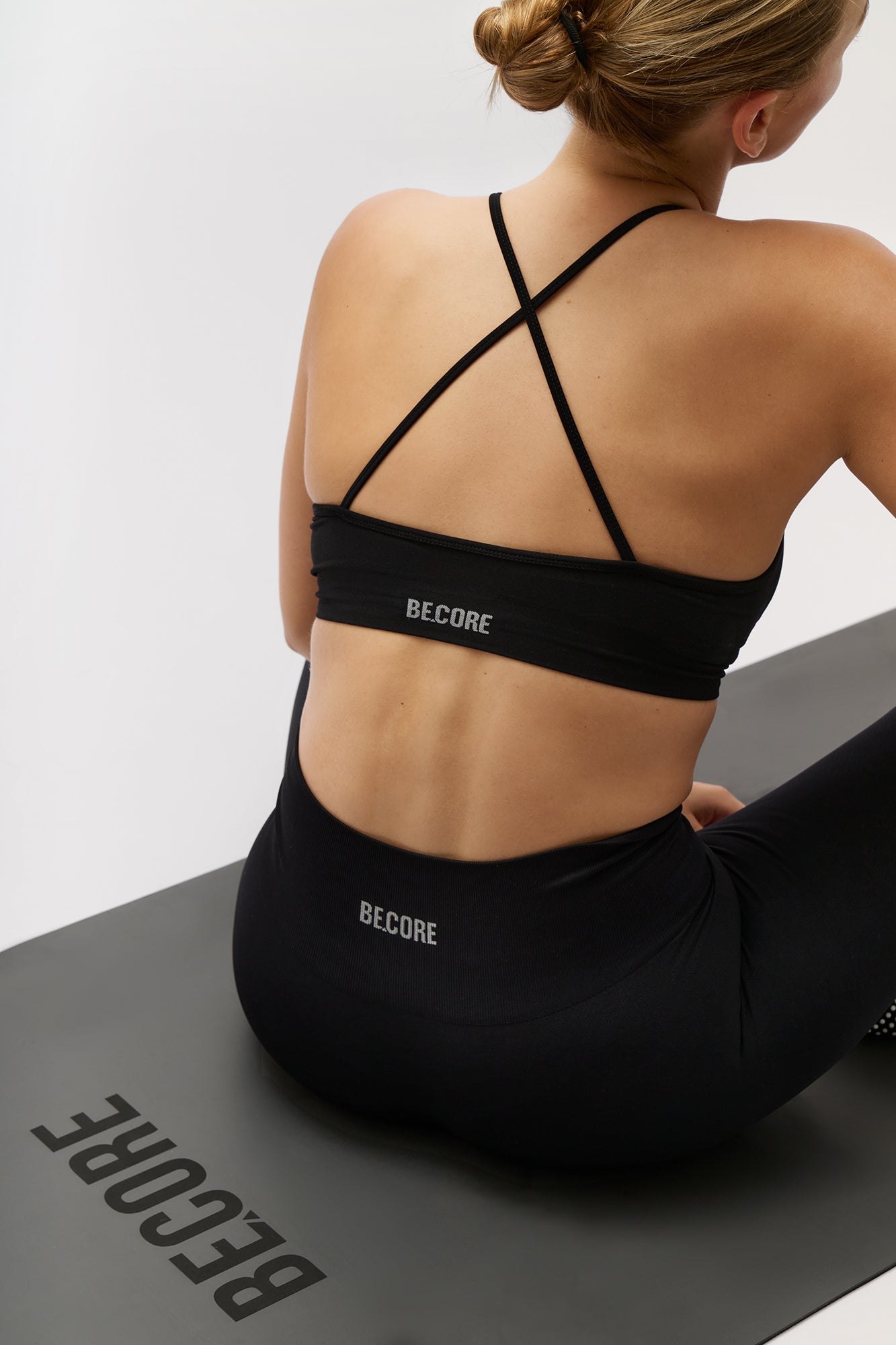







Mind to muscle connection
You’ve probably heard trainers say it a thousand times: “mind to muscle connection” That’s not just a motivational phrase — it’s the foundation of better...
You’ve probably heard trainers say it a thousand times: “mind to muscle connection”
That’s not just a motivational phrase — it’s the foundation of better form, stronger activation, and more efficient training.
The mind-to-muscle connection is the ability to consciously engage specific muscles during exercise, rather than letting momentum or other body parts take over.
When you master this skill, you move from simply doing reps to training with intent — and that’s where real progress begins.
What Is the Mind-to-Muscle Connection?
The mind-to-muscle connection refers to the neuromuscular link between your brain and your body. I usuallt describe it to my clients with this phrase:
"everyone of us know without thinking of how to open a door. thats because it is a muscle memory we already know, we are here to relearn how we use our body and reprogram new muscle memories for optimal results on our training. Starting with mind to muscle connection. Think about the where you feel it, where it is the heaviest and where it is the lightest."
When you perform a movement, your brain sends electrical signals through your nervous system, telling certain muscle fibers to contract.
The more focused and intentional those signals are, the more effectively the target muscle is activated.
In other words: the better you can “feel” the muscle working, the more muscle fibers you’re recruiting — which leads to greater strength and growth over time.
Why It Matters
Even if your form looks correct, poor connection means other muscles may be compensating.
That can lead to:
- Less effective muscle engagement
- Plateaued progress
- Increased risk of overuse or imbalance
1. Slow Down Your Reps
Speed hides weakness. Slowing down the movement increases time under tension and allows your brain to actually feel the muscle working. This applies thru out your Megaformer training session.
2. Visualize the Movement
Close your eyes or mentally visualize the muscle contracting and lengthening.
Studies show that mental imagery can enhance neuromuscular activation and even increase strength over time.
3. Use Touch or Tactile Feedback
Gently placing a hand on the muscle you’re targeting (for example, your glutes during hip thrusts) can help your brain register the contraction more clearly. This sensory feedback strengthens the neural pathway between your brain and that muscle.
The Mental Side of Muscle
The mind-to-muscle connection is also about presence.
When you train with awareness — feeling every contraction, noticing every movement — your body learns faster.
You stop relying on habit and start moving with intention.
That’s why so many hybrid training styles — Lagree, mat pilates and Barre — emphasize control and awareness over sheer intensity.
What do we take out from this?
Building a strong mind-to-muscle connection isn’t about slowing down your workout — it’s about leveling it up.
By combining focus, breath, and control, you create a deeper dialogue between your brain and your body.
The outcome?
More strength.
Better performance.
And a body that not only looks stronger — but feels stronger from within.
More like this

You know the feeling. You’re anxious, overwhelmed, or spiraling over something small, and suddenly your stomach feels completely off. Maybe you’re bloated, nauseous, running to...

Being pregnant doesn’t mean you need to stop exercising - in fact, staying active can help support energy levels, sleep, mobility, strength, and overall wellbeing...

Why do we train Different parts of the abdominal muscles? The abdominal muscles are made up of several different muscle groups, and each has its...

Creatine is one of the most researched and widely used supplements in the world. Millions of people, especially those who do strength training, tend to...

What started as a simple question at the office "What is that tingling sensation I get in my legs?" - led us to realize that...

How Mobility and Range of Motion Quietly Control Your Results You train consistently, yet some movements still feel awkward, painful, or weak. Most training limitations...

1. 90–90 StretchSit on the mat with your glutes on the floor, feet wider than hip-width apart, and hands placed behind you for support. Rotate...

Cycle – Where Movement Meets Rhythm, Energy, and Flow You feel it from the very first pedal stroke. The music builds, the lights pulse, and...

You’ve probably heard it a hundred times: “Activate your core.”But what does that really mean? Your core is more than just your abs. It’s a group...