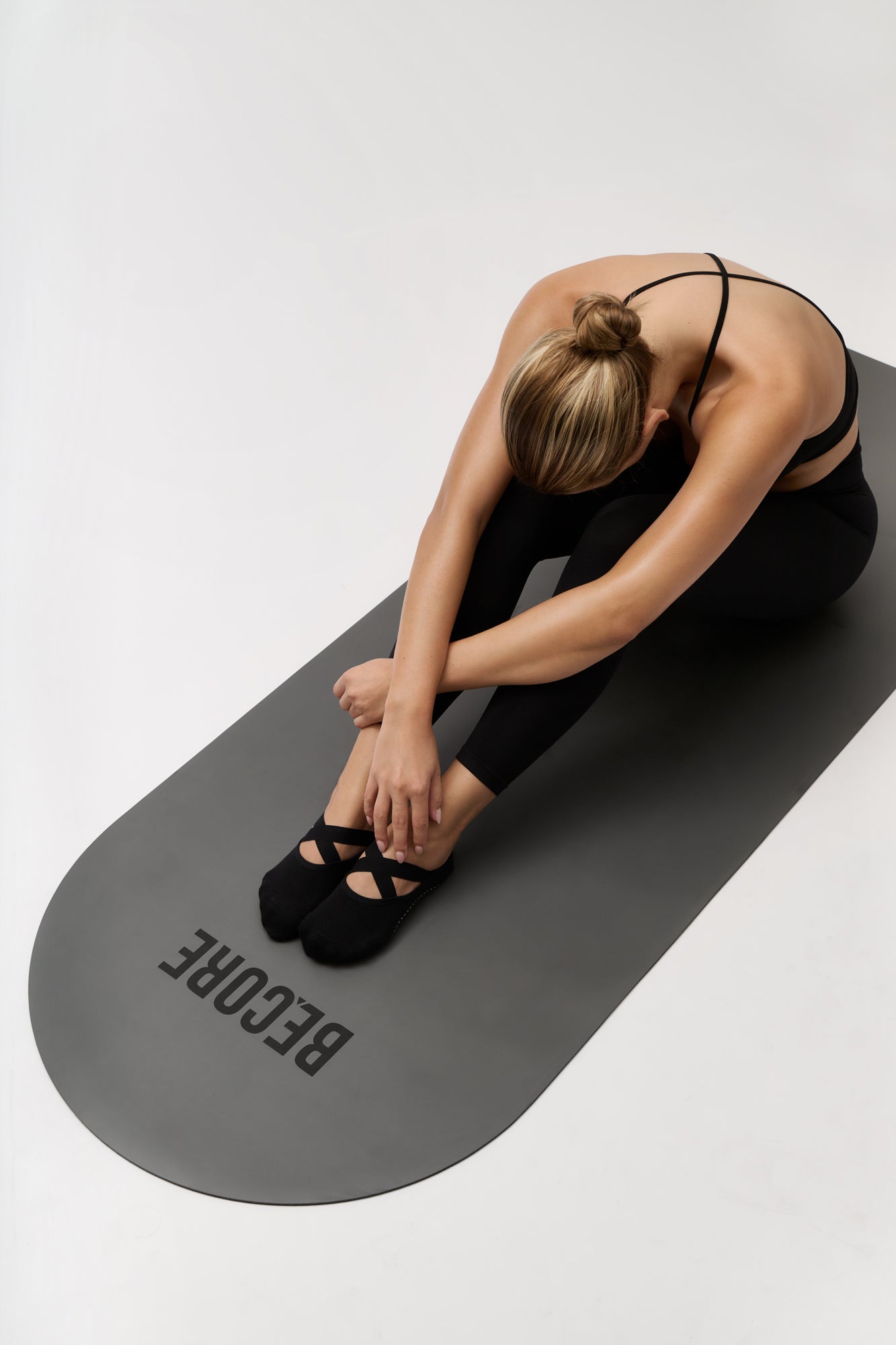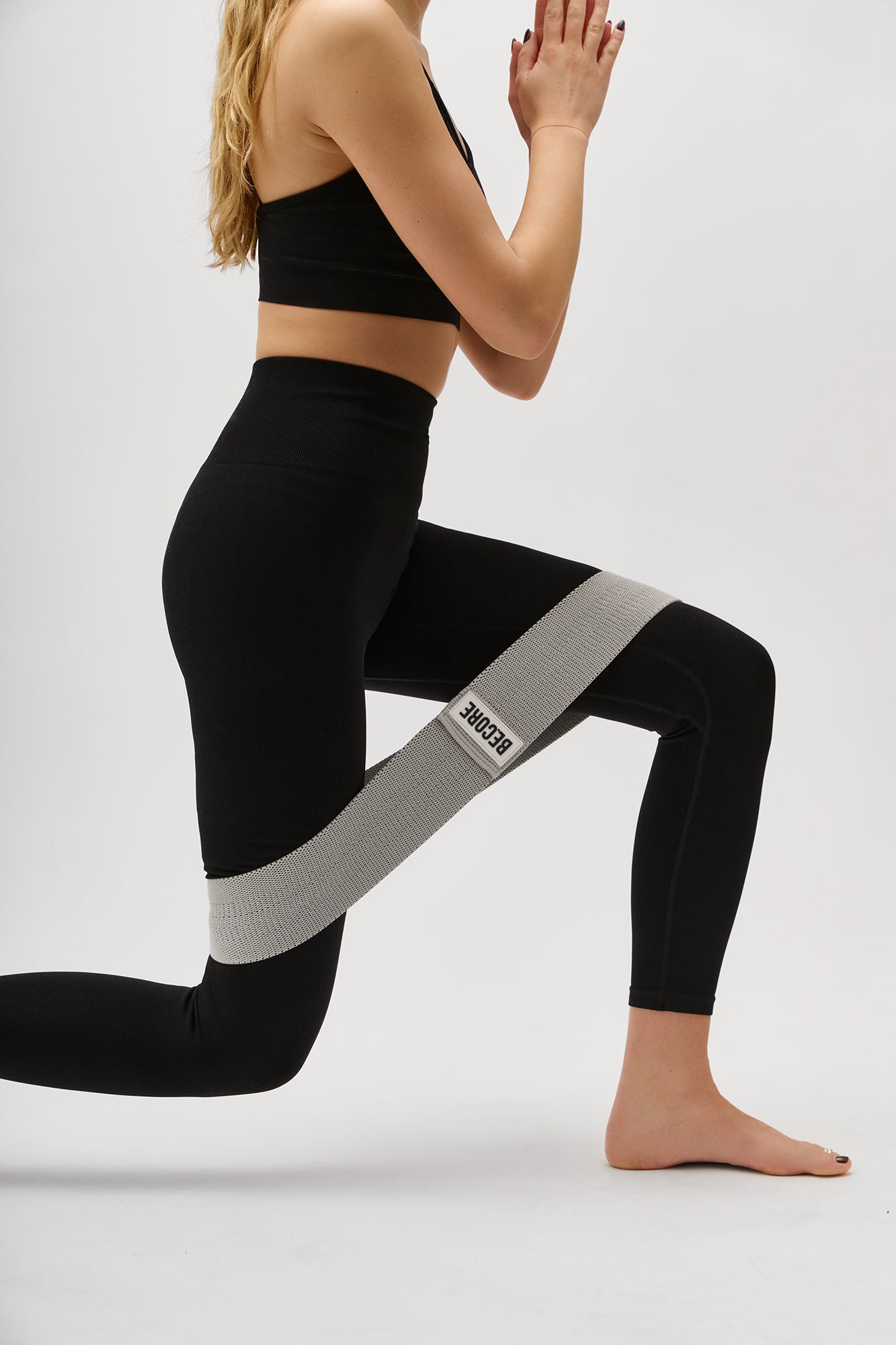














What if training wasn’t about pushing harder-but about lasting longer?
Longevity has officially outgrown its “trend” phase. What once belonged to biohackers and fringe wellness is now becoming a structured, global industry-reshaping how we think about health, aging, and ultimately, how we train our bodies over time.
According to Lisa Tengbom, who works with strategy within the longevity industry in the U.S., the biggest shift isn’t just technological-it’s behavioral
“People are no longer asking what’s healthy in general-they’re asking what works for them. Longevity is not just a wellness trend anymore, it is a fundamental reshaping of how people relate to their own health” Lisa explains.
And that shift changes everything.
So what happens when training becomes personal—not performative?
For years, training has followed the same pattern as wellness: more intensity, more output, faster results. But a longevity mindset challenges that. It replaces short-term performance with long-term sustainability. It’s no longer about how hard you can push your body. It’s about how well your body can keep functioning over time.
Inside studios across the U.S., this philosophy is already taking shape. The focus isn’t just on modalities or treatments-it’s about creating systems people actually return to.
-In longevity, consistency always beats intensity.
What if you stopped waiting for something to break?
Traditionally, both healthcare and training have been reactive. You push, ignore the signals and eventually something forces you to stop.
Longevity flips that. Training should support the body before problems appear-not after.
That shift is already happening. Younger generations are tracking sleep, prioritizing recovery and building routines that support long-term performance instead of short bursts of output.
And what if your training actually adapted to you?
Wearables and biomonitoring are giving us more data than ever-but the real value isn’t the numbers. It’s what you do with them.
-The future isn’t generic protocols. It’s understanding what actually works for you-and adjusting accordingly.
Your training. Your recovery. Your nutrition. Aligned with your biology.
So where does that leave us?
Health is no longer something you repair-it’s something you maintain, like the body we were given. And biology is clear on one thing: if we don’t use the body, we lose it.
From our 30s and onward, we gradually lose muscle mass and bone density. Joints become stiffer, recovery slows, and without regular movement, the body adapts in the wrong direction-toward fragility instead of strength.
The body is incredibly adaptive-but it adapts to what you expose it to. If you don’t move, it adjusts to less movement.
But the opposite is also true.
With consistent training-especially strength training, mobility work, and recovery-we can slow these processes significantly. We can maintain muscle, preserve bone density, and keep the body functioning far longer. Training is one of the most powerful tools we have to protect the body over time.
Because here’s the real question: if we know what works-why don’t we do it?
- Everyone knows the basics-sleep, movement, recovery, stress. The issue is consistency. This is where most people fall short. Not in knowledge, but in behavior. The real challenge is not information. It’s building a life where those behaviors actually happen.
- I also think people underestimate the role of consistency and community in health outcomes. The most powerful longevity intervention available to most people is not an expensive services or a cutting-edge supplement. It is simply building sustainable daily habits around sleep, movement, recovery, and social connection, and doing so within a community that reinforces those behaviors.
Which is why the future of longevity-and training-isn’t just better methods. It’s better environments. Systems and communities that make showing up easier than opting out.
Will we ever reverse aging?
- It’s the question everyone wants answered.
Figures like Bryan Johnson are pushing the boundaries, but the reality is more grounded. Slowing aging and improving how we function-that’s where the real progress is happening. And this is where training plays a central role.
Regular movement improves metabolic health, reduces inflammation, supports cognitive function, and maintains strength and mobility as we age. It’s not about extreme protocols. It’s about doing the right things consistently over time.
Not radical reversal.
But meaningful optimization.
And what are we getting wrong?
In a space that promises so much, not everything holds up. A lot of what’s marketed ignores individual variation. That’s where longevity loses credibility. Supplement culture, in particular, often offers universal solutions to deeply individual systems.
-Longevity is personal. There is no one-size-fits-all.Consumers are increasingly asking not just what is good for health in general, but what actually works for them specifically.
Maybe the real shift is simpler than we think.
Health is something you build into your life-not something you fix when it breaks. Training is no longer something you survive. It’s something you sustain.
And perhaps most importantly, it’s something you don’t have to do alone. When health becomes social, it becomes sustainable. Recovery, movement and training are increasingly becoming shared experiences-part of environments that support consistency over time.
Because when healthy behavior becomes part of your environment, it stops being effort. It becomes a system. And that’s really what longevity is about.